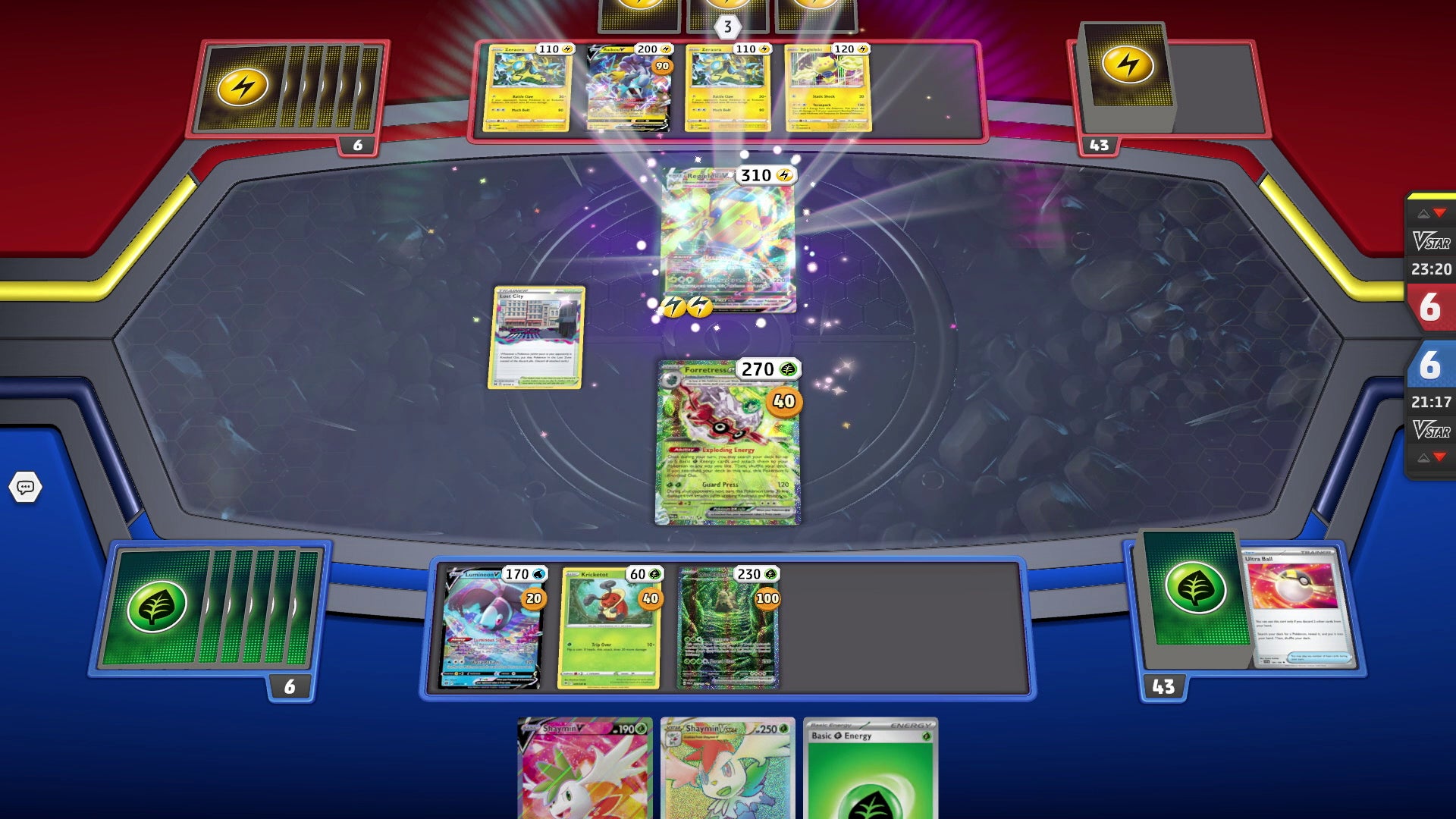
The Pokémon Trading Card Game continues to evolve rapidly in both physical and digital spaces with a significant update to its online platform and the release of a compact yet impactful expansion. Players around the world have begun engaging with the Mega Evolution – Perfect Order set, which rolled out in late March 2026 and has already influenced both competitive play and casual digital engagement. The Perfect Order expansion is smaller than many recent Pokémon TCG sets, but its impact has been disproportionate relative to its size. The set includes a range of new cards with fresh mechanics, including Pokémon with the ex designation and supportive Trainer cards that encourage diverse gameplay options. One standout card that has become a talking point among players is Meowth ex, whose ability to search for Supporter cards immediately upon entering play has made it relevant in a variety of deck builds. Competitive players in online leagues have already tested strategies that maximize this effect because it can dramatically accelerate early game options and improve consistency in draws. Alongside the physical product release, the digital platform received an update that supports the new expansion and includes refreshed features aimed at improving player engagement. Codified content from recent product codes allows players to redeem digital items tied to Perfect Order packs. The update reinforces the increasingly seamless interaction between physical purchases and digital play. It includes not only the new card library but also enhancements to matchmaking and deck builders that accommodate the latest cards and rules adjustments. Online community chatter has leaned heavily into how Perfect Order is influencing the metagame, with deck lists from early digital tournaments circulating across forums and social feeds. Some players have already diversified traditional archetypes to include new mechanics from the expansion, reshaping what was competitive in standard formats just weeks before. This kind of rapid adaptation is a hallmark of ongoing evolutions in the Pokémon TCG, but Perfect Order’s influence has been especially noticeable due to its compact roster and high utility cards. From a collector standpoint, prices for many common Perfect Order cards have fluctuated on the secondary market, reflecting both initial speculative buying and players seeking specific singles. Demand for high‑impact cards has driven certain special art and rarer printings upward even as average values for commons have seen more modest movement. Physical products tied to the set remain selling briskly in many regions, with reports from hobby sellers indicating steady interest since release. The synchronized push across digital and physical platforms for Perfect Order underscores how the Pokémon TCG ecosystem continues to blend traditional card collecting with dynamic online play. For players and collectors alike, the expansion and digital updates represent both a fresh strategic horizon and a continued validation of the format’s global appeal.

The passionate trading card game community in Southeast Asia has something big to celebrate in 2026 with the return of Card Con 2, Singapore’s largest dedicated convention for trading card game enthusiasts. The event took place over two days in late March at a major city convention centre, and its expanded scale reflects both growing interest in collectible games and the increasing maturity of the hobby. Card Con 2 built on the success of the inaugural show by significantly expanding its footprint. Organisers nearly doubled the number of exhibitors from the previous year, bringing together over 120 vendors and brands representing a wide spectrum of trading card games. Attendees could explore offerings from popular titles such as Pokémon, Magic the Gathering, sports cards and niche collectible lines, forming a bustling marketplace where sealed products, singles, accessories and memorabilia changed hands throughout the convention. Beyond just trading and product browsing, the convention featured a comprehensive schedule of competitive and casual events. Dedicated play areas allowed participants of all skill levels to test decks, refine strategies, and challenge opponents across various TCG formats. Freeform play zones encouraged newcomers to get hands‑on experience with games they might not have tried before, while organised tournaments provided structured competition for seasoned players. This mix ensured that the event catered to a wide range of hobbyists, from collectors focused on acquisitions to players prioritising gameplay and community interaction. One of the most talked‑about interactive features was a large community card pool that enabled visitors to comb through thousands of cards in search of rare finds or essential pieces for deck construction. This crowd‑sourced trading pool fostered social engagement and created spontaneous moments of discovery, strengthening the communal feel of the convention. Other activities included a QR‑based scavenger hunt that encouraged exploration of the full exhibition space and provided chances to win prizes. The growth of Card Con 2 is emblematic of a broader trend in Asia’s trading card culture. Where once local events were smaller and more fragmented, conventions like Card Con are now becoming recognised as major calendar fixtures that draw hobbyists from across the region. Feedback from attendees highlighted the value of having a centralised gathering where collectors, players and retailers could interact directly. Many cited the energy of live play and face‑to‑face trading as a refreshing contrast to online forums and marketplaces, emphasising how physical events continue to play an important role in sustaining TCG communities. Organisers have already hinted at plans for future editions that could grow even further, perhaps with specialised zones for different game genres or partnerships with global publishers. For now, Card Con 2 stands as a vibrant confirmation that the trading card hobby is thriving, with geographic hubs like Singapore playing a key part in nurturing enthusiasm and connecting fans across borders.

A piece of trading card game history has just rewritten what collectors thought possible for non‑sports cards. In late March 2026, an ultra‑rare Pikachu Illustrator card graded PSA 9 brought in an unprecedented $1,406,250 at auction, making it one of the most expensive Pokémon Trading Card Game cards ever sold. This sale took place at a major auction house event and has set a fresh benchmark for collectible card value that reflects both rarity and cultural significance in equal measure. The Pikachu Illustrator card is unlike any other promotional card in Pokémon history. Originally issued in 1997 and 1998 to winners of art contests conducted by a Japanese manga magazine, only a handful were ever distributed to participants who submitted winning illustrations. The card’s design deviates from standard releases by featuring the word “Illustrator” instead of “Trainer” and includes a small pen icon. Those traits have made it a long‑standing trophy for serious collectors who pursue the rarest cards from the TCG’s early era. Collectors and investors have watched this card’s value climb over decades as awareness of its scarcity grew in hobby and auction circles. A graded copy of this card reaching into the seven‑figure range was previously rare, but the recent sale confirms sustained demand even as broader collectible markets fluctuate. A handful of copies are known in the PSA registry, with only a limited number graded at high levels. The most valuable version historically reached tens of millions of dollars when sold by a well‑known content creator earlier in 2026. That prior six‑figure sale and this newer multi‑million result together underscore the extraordinary premium that top graded examples command. This most recent seven‑figure sale has also sent ripples through the broader TCG market, influencing not just Pokémon pricing but perceptions of how vintage and historically meaningful cards are valued. Collectors now compare other older promotional pieces and early print rarities against the Illustrator’s benchmark. Some hobby analysts expect that this result may boost interest in graded vintage cards from other games as well, including early Magic: The Gathering and sports TCGs, as serious investors diversify collectible assets. The cultural weight of this particular card is unique. It represents a convergence of nostalgia, rarity, and historical context that few other trading cards can match. For many collectors, owning or witnessing such an item change hands at auction is emblematic of how deeply the TCG hobby has matured since its beginnings in the 1990s. The Illustrator card’s new record sale stands as a testament to the enduring appeal of physical trading cards in an increasingly digital entertainment landscape.
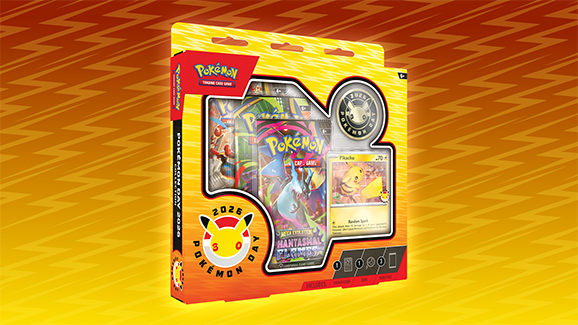
As the Pokémon franchise celebrates its 30th anniversary in 2026, the trading card game is experiencing a surge in popularity that is reshaping both the player experience and the collector market. Demand for new expansions has skyrocketed, with sets like Perfect Order and the upcoming Chaos Rising generating intense interest even before release. Preorders are increasingly recommended due to limited availability, reflecting a trend of scarcity that has become familiar to collectors in recent years. This demand is fueled in part by the franchise-wide celebration of Pokémon’s 30-year legacy. Events, collaborations, and special-edition products are being released globally, turning 2026 into a landmark year for fans. These celebrations extend beyond cards, but the TCG remains one of the most visible and accessible ways for fans to participate. At the same time, the structure of modern sets is contributing to increased excitement—and competition. Expansions now often include over 100 cards, with multiple rarity tiers and highly sought-after illustrated cards. Some earlier sets have already demonstrated how scarcity can drive value, with certain rare cards becoming highly desirable on the secondary market. The Pokémon Company is also expanding its distribution and logistics capabilities. A recent move to acquire a major U.S. trading card distributor highlights efforts to better manage supply chains and meet growing global demand. However, this surge in popularity is not without challenges. High demand can lead to stock shortages, price inflation, and difficulties for casual players trying to access new products. This tension between accessibility and collectibility is becoming a defining issue for the modern TCG era. Ultimately, 2026 represents both an opportunity and a test for Pokémon TCG. The combination of nostalgia, new mechanics, and global celebration has created unprecedented momentum—but sustaining that momentum will require careful balancing of supply, accessibility, and innovation.
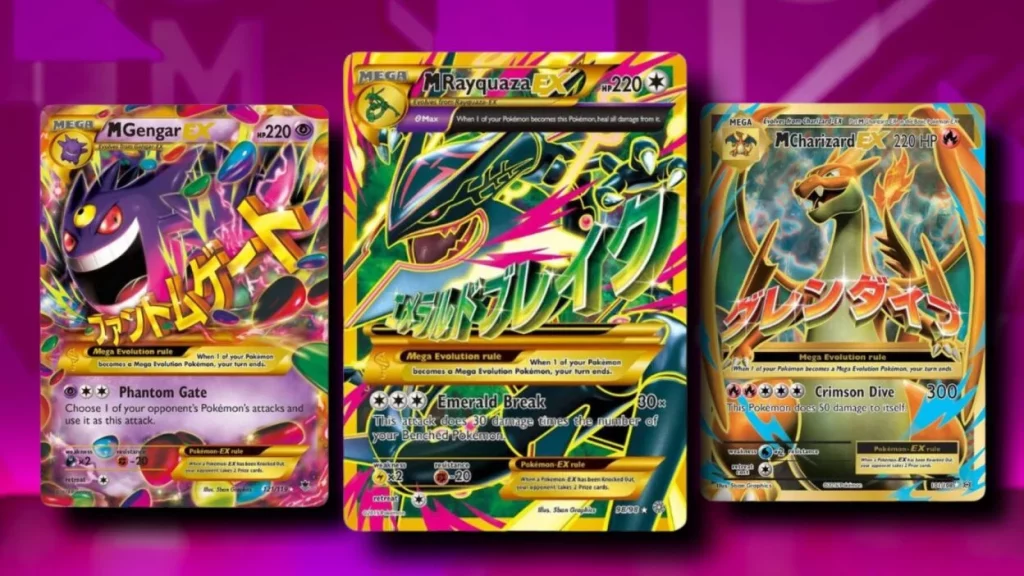
The Pokémon Trading Card Game (TCG) is undergoing one of its most significant thematic shifts in years, as 2026 becomes defined by the return—and reinvention—of Mega Evolution cards. With multiple expansions already released or announced, the competitive and collectible landscape is rapidly evolving. One of the biggest recent announcements is the upcoming Chaos Rising expansion, scheduled for release in May 2026. This set continues the Mega Evolution series and introduces powerful cards such as Mega Floette ex, alongside other heavy hitters like Mega Greninja ex and Mega Pyroar ex. The expansion features more than 120 cards, including a strong mix of Pokémon, Trainer cards, and special illustrations designed to appeal to collectors. This follows closely behind the March 2026 release of Perfect Order, another Mega Evolution-focused set inspired by Pokémon Legends: Z-A. That expansion introduces new Mega Pokémon such as Mega Zygarde ex and Mega Starmie ex, reinforcing a design direction centered on high-impact, high-risk gameplay mechanics. The return of Mega Evolutions marks a deliberate pivot away from the long-running Scarlet & Violet era, signaling a new strategic identity for the game. These cards often come with powerful abilities but require careful planning, adding depth for competitive players while maintaining visual appeal for collectors. Beyond gameplay, the structure of these expansions reflects increasing demand. Products such as Elite Trainer Boxes, prerelease events, and digital integration through Pokémon TCG Live show how The Pokémon Company is blending physical and digital play experiences. Importantly, the 2026 expansions are also part of the franchise’s broader 30th anniversary celebrations. This milestone has influenced product design, marketing, and release cadence, with synchronized global launches and special commemorative items helping drive interest. In summary, the Pokémon TCG in 2026 is not just adding new cards—it’s redefining its identity. With Mega Evolutions at the forefront, the game is striking a balance between nostalgia and innovation, ensuring that both longtime fans and new players have compelling reasons to stay engaged.
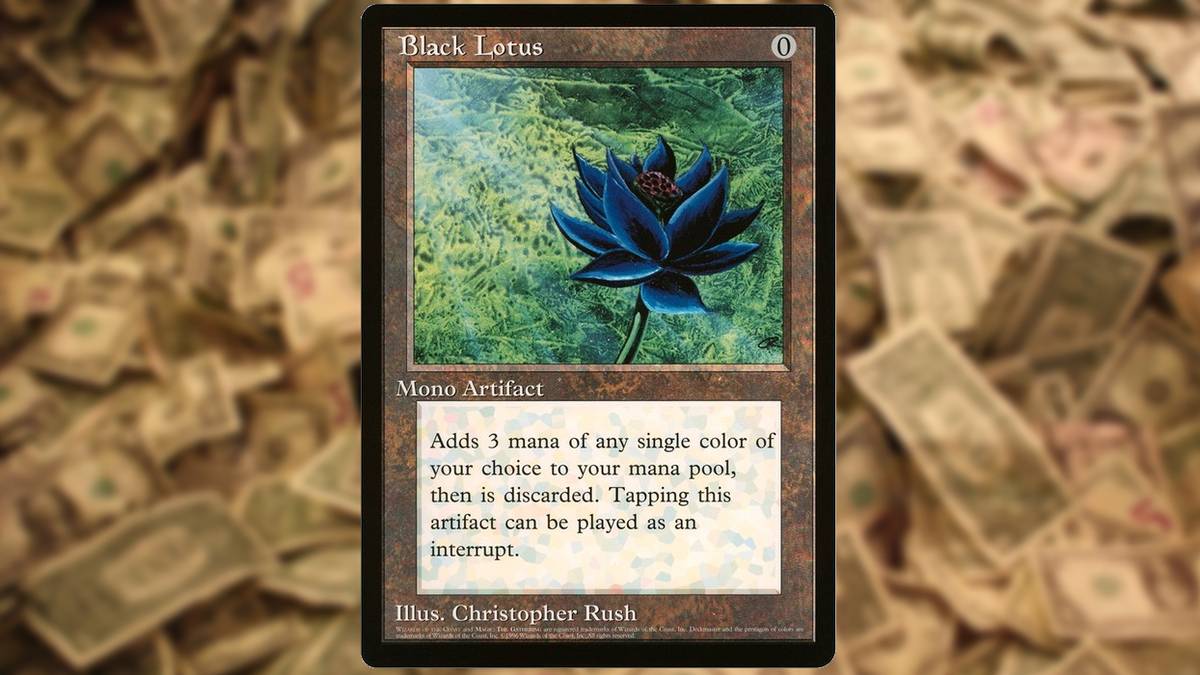
The secondary market for Magic: The Gathering cards has experienced sharp volatility in recent weeks, as speculation surrounding potential rules changes triggered a surge in buying activity. Prices for several high-profile cards spiked dramatically, with some gaining tens of dollars in value within days. Traders and collectors rushed to acquire key cards ahead of a rumored update to the popular Commander format, one of the game’s most widely played variants. Marketplaces reported a noticeable increase in transaction volume, as both casual players and investors sought to position themselves before any official announcements. The uncertainty created a fast-moving environment, where prices fluctuated rapidly based on speculation and online discussion. Experts say this kind of volatility is not uncommon in the trading card world, where game mechanics and balance updates can have immediate financial consequences. A single rules change or ban can dramatically alter a card’s usefulness—and, by extension, its market value. “This is a classic case of speculation driving demand,” said a trading card analyst. “People are trying to get ahead of the curve, but that always carries risk.” While some participants have profited from the price swings, others warn that the market could correct just as quickly once official decisions are announced. Cards that surge in value due to speculation may drop sharply if expectations are not met. The situation highlights the unique nature of Magic’s economy, where gameplay and finance are closely intertwined. Unlike many collectibles, the value of a Magic card is tied not only to rarity but also to its performance within the game. As players await confirmation of the rumored changes, the market remains on edge. Whether prices stabilize or continue to fluctuate will depend largely on the outcome of upcoming announcements—but for now, the surge has once again demonstrated the powerful link between gameplay decisions and card sales.

Strong performance from Magic: The Gathering has prompted Hasbro to raise its annual revenue forecast, underscoring the growing financial importance of the long-running card game. In its latest earnings report, Hasbro revealed that Magic’s tabletop segment experienced a significant boost, with sales rising more than 20% during the quarter. The company cited a combination of successful set releases, sustained player engagement, and increased collector spending as key factors behind the growth. The announcement comes at a time when many traditional toy lines are facing declining sales due to changing consumer habits and economic pressures. In contrast, Magic has proven resilient, with its mix of physical products and digital integrations continuing to attract a broad audience. Executives emphasized that Magic is now one of the company’s primary revenue drivers, contributing a substantial portion of overall earnings. The game’s ability to generate consistent demand through frequent set releases has made it a reliable performer in an otherwise volatile market. Analysts note that Magic’s business model has evolved significantly in recent years. Premium products, limited-edition cards, and special collaborations have increased the average spending per customer. At the same time, organized play and online platforms help maintain long-term engagement. “The key is recurring excitement,” said one industry expert. “Every new set is treated like an event, and that keeps both players and collectors coming back.” Investors responded positively to the news, with Hasbro’s stock rising following the announcement. The company’s improved outlook suggests confidence that Magic will continue to deliver strong results in the near future. Looking ahead, Hasbro plans to expand the brand further through new partnerships and product lines. If current trends continue, Magic: The Gathering is poised to remain a cornerstone of the company’s strategy—and a dominant force in the global trading card market.

In one of the biggest product launches in trading card game history, Magic: The Gathering has shattered its own sales records with the release of its highly anticipated Final Fantasy crossover set. Publisher Hasbro confirmed that the set generated over $200 million in revenue within its first 24 hours on sale, surpassing the previous record held by the Lord of the Rings collaboration. The release marks a turning point for the franchise, highlighting the growing importance of crossover intellectual properties in driving card sales. Retailers across North America and Europe reported immediate sellouts of collector boxes and premium bundles, with some stores limiting purchases per customer to manage demand. Online marketplaces saw prices for sealed products skyrocket within hours, with certain collector editions reaching more than double their retail price. Industry analysts say the success of the set reflects a broader shift in the trading card market. While competitive play remains important, collector demand and franchise crossovers are increasingly dominating sales. The Final Fantasy brand, with its decades-long global fanbase, brought in a wave of new buyers who may not have previously engaged with Magic. “This is no longer just a card game—it’s a collectible ecosystem,” said one market analyst. “Events like this blur the line between gaming and fandom merchandising.” However, the rapid sellout also sparked criticism. Some players expressed frustration over limited availability and rising prices, arguing that the focus on premium products is making the game less accessible. Despite the concerns, Hasbro appears committed to the strategy. The company has already teased additional crossover releases, signaling that this approach will remain central to Magic’s growth. With record-breaking revenue and unprecedented demand, the Final Fantasy set has not only redefined expectations for Magic releases but also demonstrated the immense commercial power of combining established entertainment franchises with collectible card games.
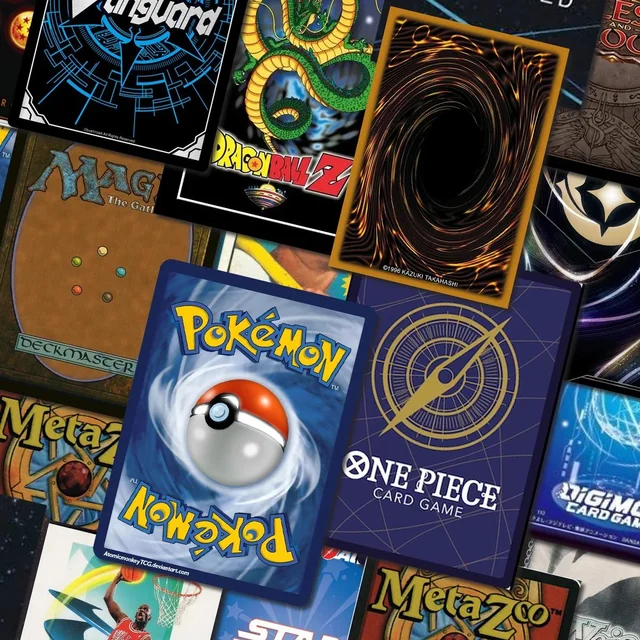
While Pokémon remains the dominant force in the trading card game (TCG) world, 2026 is seeing increased competition and innovation that could reshape the broader landscape. One of the most notable developments is the announcement of a Palworld trading card game, set to launch in July 2026. Developed in partnership with Bushiroad, the game aims to offer strategic deck-building and competitive play centered around its own roster of creatures. Its release comes at a time when Pokémon cards are in extremely high demand, potentially giving new entrants an opportunity to جذب players looking for alternatives. Meanwhile, digital experiences are becoming an increasingly important part of the TCG ecosystem. Pokémon Trading Card Game Pocket, a mobile adaptation released in 2024, continues to expand with frequent updates, new card sets, and in-game events. The game has already achieved massive success, with millions of downloads and significant revenue, demonstrating the viability of digital-first card collecting. Special events like Pokémon Day 2026 have further blurred the line between physical and digital play. Limited-time missions, rewards, and tie-in expansions encourage players to engage across multiple platforms, reinforcing the idea that the TCG is no longer confined to tabletop play. Even outside major franchises, experimental projects are emerging. For example, new browser-based games are turning unconventional content—like Wikipedia articles—into collectible cards, highlighting the flexibility and creativity of the genre. These developments point to a broader trend: trading card games are evolving into hybrid ecosystems that combine physical collecting, digital gameplay, and live-service elements. While Pokémon continues to lead, its dominance is now being challenged by innovation both within and outside its own ecosystem. As competition grows and technology advances, the TCG space in 2026 is more dynamic than ever—offering players more choices, and pushing developers to rethink what a card game can be.
