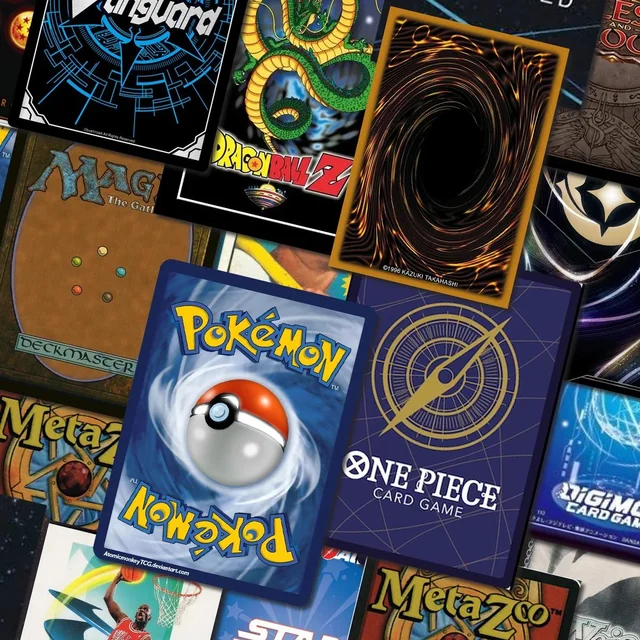
While Pokémon remains the dominant force in the trading card game (TCG) world, 2026 is seeing increased competition and innovation that could reshape the broader landscape.
One of the most notable developments is the announcement of a Palworld trading card game, set to launch in July 2026. Developed in partnership with Bushiroad, the game aims to offer strategic deck-building and competitive play centered around its own roster of creatures. Its release comes at a time when Pokémon cards are in extremely high demand, potentially giving new entrants an opportunity to جذب players looking for alternatives.
Meanwhile, digital experiences are becoming an increasingly important part of the TCG ecosystem. Pokémon Trading Card Game Pocket, a mobile adaptation released in 2024, continues to expand with frequent updates, new card sets, and in-game events. The game has already achieved massive success, with millions of downloads and significant revenue, demonstrating the viability of digital-first card collecting.
Special events like Pokémon Day 2026 have further blurred the line between physical and digital play. Limited-time missions, rewards, and tie-in expansions encourage players to engage across multiple platforms, reinforcing the idea that the TCG is no longer confined to tabletop play.
Even outside major franchises, experimental projects are emerging. For example, new browser-based games are turning unconventional content—like Wikipedia articles—into collectible cards, highlighting the flexibility and creativity of the genre.
These developments point to a broader trend: trading card games are evolving into hybrid ecosystems that combine physical collecting, digital gameplay, and live-service elements. While Pokémon continues to lead, its dominance is now being challenged by innovation both within and outside its own ecosystem.
As competition grows and technology advances, the TCG space in 2026 is more dynamic than ever—offering players more choices, and pushing developers to rethink what a card game can be.
