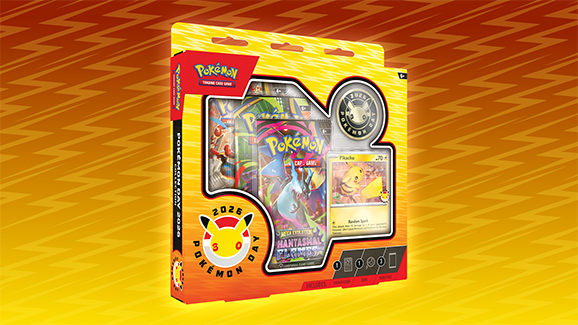
As the Pokémon franchise celebrates its 30th anniversary in 2026, the trading card game is experiencing a surge in popularity that is reshaping both the player experience and the collector market.
Demand for new expansions has skyrocketed, with sets like Perfect Order and the upcoming Chaos Rising generating intense interest even before release. Preorders are increasingly recommended due to limited availability, reflecting a trend of scarcity that has become familiar to collectors in recent years.
This demand is fueled in part by the franchise-wide celebration of Pokémon’s 30-year legacy. Events, collaborations, and special-edition products are being released globally, turning 2026 into a landmark year for fans. These celebrations extend beyond cards, but the TCG remains one of the most visible and accessible ways for fans to participate.
At the same time, the structure of modern sets is contributing to increased excitement—and competition. Expansions now often include over 100 cards, with multiple rarity tiers and highly sought-after illustrated cards. Some earlier sets have already demonstrated how scarcity can drive value, with certain rare cards becoming highly desirable on the secondary market.
The Pokémon Company is also expanding its distribution and logistics capabilities. A recent move to acquire a major U.S. trading card distributor highlights efforts to better manage supply chains and meet growing global demand.
However, this surge in popularity is not without challenges. High demand can lead to stock shortages, price inflation, and difficulties for casual players trying to access new products. This tension between accessibility and collectibility is becoming a defining issue for the modern TCG era.
Ultimately, 2026 represents both an opportunity and a test for Pokémon TCG. The combination of nostalgia, new mechanics, and global celebration has created unprecedented momentum—but sustaining that momentum will require careful balancing of supply, accessibility, and innovation.
