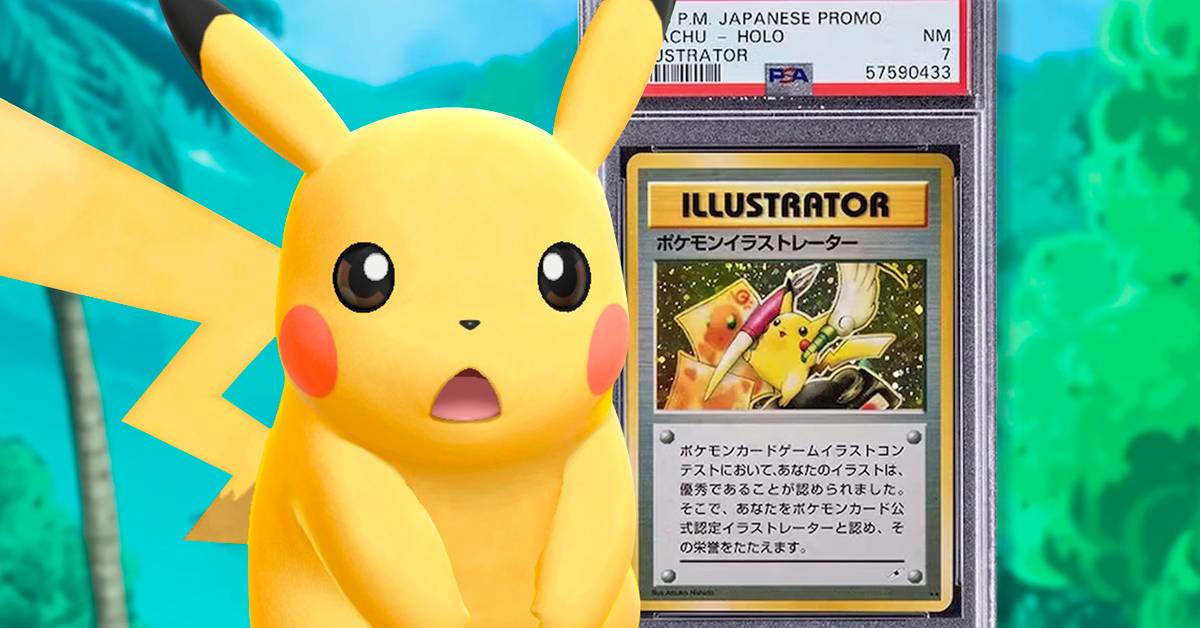
Singapore’s Card Con 2 Returns Bigger in 2026 Driving TCG Community Growth

The passionate trading card game community in Southeast Asia has something big to celebrate in 2026 with the return of Card Con 2, Singapore’s largest dedicated convention for trading card game enthusiasts. The event took place over two days in late March at a major city convention centre, and its expanded scale reflects both growing interest in collectible games and the increasing maturity of the hobby. Card Con 2 built on the success of the inaugural show by significantly expanding its footprint. Organisers nearly doubled the number of exhibitors from the previous year, bringing together over 120 vendors and brands representing a wide spectrum of trading card games. Attendees could explore offerings from popular titles such as Pokémon, Magic the Gathering, sports cards and niche collectible lines, forming a bustling marketplace where sealed products, singles, accessories and memorabilia changed hands throughout the convention. Beyond just trading and product browsing, the convention featured a comprehensive schedule of competitive and casual events. Dedicated play areas allowed participants of all skill levels to test decks, refine strategies, and challenge opponents across various TCG formats. Freeform play zones encouraged newcomers to get hands‑on experience with games they might not have tried before, while organised tournaments provided structured competition for seasoned players. This mix ensured that the event catered to a wide range of hobbyists, from collectors focused on acquisitions to players prioritising gameplay and community interaction. One of the most talked‑about interactive features was a large community card pool that enabled visitors to comb through thousands of cards in search of rare finds or essential pieces for deck construction. This crowd‑sourced trading pool fostered social engagement and created spontaneous moments of discovery, strengthening the communal feel of the convention. Other activities included a QR‑based scavenger hunt that encouraged exploration of the full exhibition space and provided chances to win prizes. The growth of Card Con 2 is emblematic of a broader trend in Asia’s trading card culture. Where once local events were smaller and more fragmented, conventions like Card Con are now becoming recognised as major calendar fixtures that draw hobbyists from across the region. Feedback from attendees highlighted the value of having a centralised gathering where collectors, players and retailers could interact directly. Many cited the energy of live play and face‑to‑face trading as a refreshing contrast to online forums and marketplaces, emphasising how physical events continue to play an important role in sustaining TCG communities. Organisers have already hinted at plans for future editions that could grow even further, perhaps with specialised zones for different game genres or partnerships with global publishers. For now, Card Con 2 stands as a vibrant confirmation that the trading card hobby is thriving, with geographic hubs like Singapore playing a key part in nurturing enthusiasm and connecting fans across borders.